
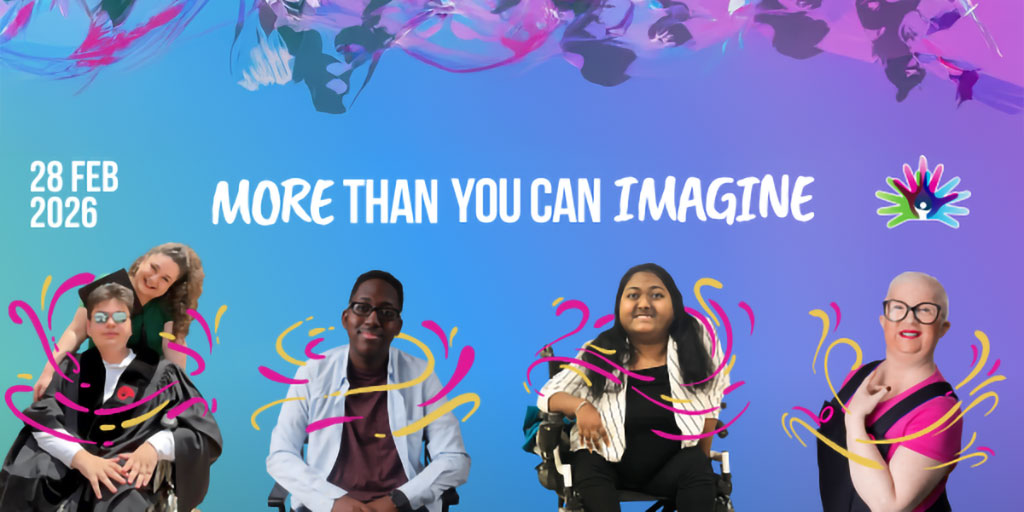
Today is Rare Disease Day – the international day for rare diseases, which takes place every year on the last day of February. It stands for more awareness, understanding, and justice for the more than 300 million people worldwide who live with a rare disease.
We often struggle for years with nonspecific symptoms and delayed diagnosis – a familiar problem with Pompe disease as well.
📣 Why is Rare Disease Day so important?
Although each individual rare disease is rare, the totality of all rare diseases affects millions of people worldwide. Many affected individuals experience:
- long journeys to diagnosis
- inadequate treatment options
- insufficient public visibility
- challenges in work, education, and everyday life
Rare Disease Day creates a collective voice to highlight this reality and bring about real change – whether in research, healthcare, or social perception.
Here are some ways to get involved in this years campain:
- Share a photo: express your support for those living with rare diseases in your community by sharing a photo with painted hands on social media. Use the hashtag HashtagRareDiseaseDay and tag @rarediseaseday.
- Use crucial rare disease statistics to convey to the media that while each disease may be rare, collectively, they impact a vast number of people.
300 million people worldwide live with a rare disease.
There are over 6000 different rare diseases.
72% of rare diseases are genetic.
70% of these genetic rare diseases begin in childhood.
📌 What can you do?
👉 Share this post to raise awareness 📢
👉 Use the official hashtags: RareDiseaseDay ShowYourRare LightUpForRare
👉 Tell your story or support people with rare diseases.
Why is this important?
- Because rare means that doctors don’t always think of it right away – and you become an expert on your own life.
- Because rare means that every good tip, every recommendation, and every network is worth its weight in gold.
- Because rare means that invisible things can still hurt – and help doesn’t have to be “visible” first.
- Because rare means you have to explain a lot – at work, to your family, to your friends.